
Industry solutions
Automotive Industry PPE
Task-matched footwear, gloves, eye protection, hearing protection and workwear for production and maintenance environments.
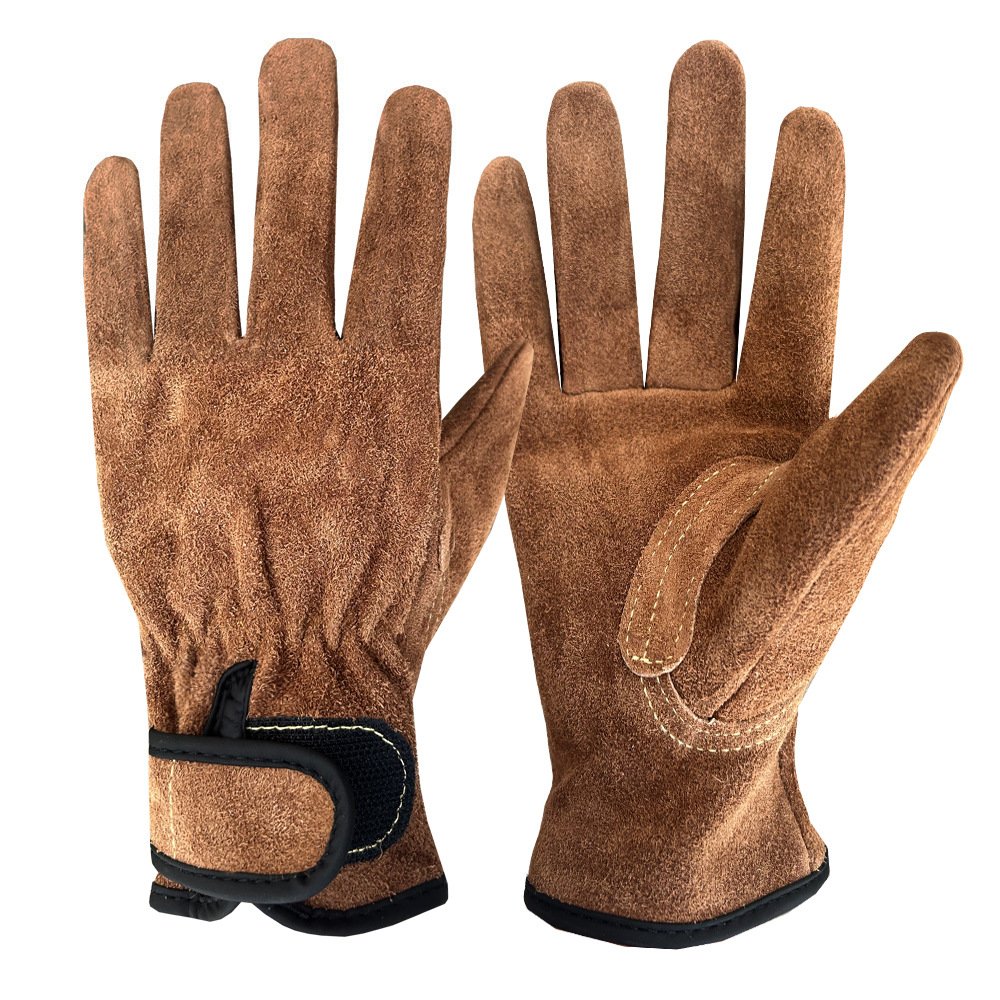
Automotive plants combine assembly lines, stamping presses, welding stations and paint shops, each with its own hazards: cuts, impact, chemical exposure, noise, heat and glare. The core PPE set is lightweight S1P footwear with anti-static options where ESD control is specified, task-matched cut and chemical gloves, anti-fog eye protection, welding protection and hearing protection. MSQ SAFE confirms EN ISO 20345, EN 388, EN 374, EN 166 and EN 352 ratings by model, with documents and samples before bulk.
Key Hazards and Work Tasks
Automotive production is a chain of distinct hazard zones. Assembly lines expose hands to sharp sheet-metal edges, fasteners and repetitive grip, while feet work on hard, sometimes oily floors. Stamping and press lines add crush, impact and high impulse noise. Welding and fabrication produce UV and infrared glare, sparks, molten metal and fume. Paint and coating areas introduce solvents, isocyanates and splash risk, and finishing tasks add dust and airborne particles. Where electronics are assembled or stored, static discharge becomes a specification point, and vehicle movement within plants adds pedestrian-traffic risk. The PPE set therefore changes by station, not by department.
Recommended PPE by Task
The table maps common automotive tasks to the main hazard and a practical PPE starting point. Confirm ratings and model suitability before ordering.
| Task | Primary hazards | Recommended PPE |
|---|---|---|
| Assembly and kitting | Cuts, sharp edges, grip fatigue | cut-resistant gloves, lightweight S1P shoes, anti-fog eyewear |
| Stamping and press lines | Crush, impact, noise | metatarsal guard boots, impact-resistant gloves, ear plugs or earmuffs |
| Welding and fabrication | Sparks, UV and IR, fume | welding gloves, welding face protection, welding boots |
| Paint and coating | Solvents, splash, fumes | chemical-resistant gloves, splash goggles, respirator per assessment |
| Electronics assembly and ESD zones | Static discharge | anti-static safety shoes, confirmed per model against the plant specification |
| Plant traffic and dispatch | Pedestrian-vehicle interface | hi-vis vest, slip-on safety shoes |
Standards and Documentation
Automotive PPE is specified across several standards. Footwear follows EN ISO 20345, where lightweight S1P covers most assembly roles and antistatic properties are confirmed per model where ESD control is specified. Hand protection follows EN 388 for mechanical risk and EN ISO 374-1 for chemical resistance, with the specific test chemicals matched to the solvents in use. Eye protection follows EN 166, with optical class and fogging resistance relevant for full-shift wear; welding protection adds filter shades for UV and infrared. Hearing protection follows EN 352 and particle filtering follows EN 149. MSQ SAFE confirms the applicable standard, class and available third-party reports and declarations per model in the quotation, before an order is placed.
Procurement Checklist
- Build the PPE matrix station by station: assembly, press, weld, paint, ESD and dispatch each need their own specification.
- Match chemical-resistant gloves to the actual solvents and test chemicals, not to a generic glove category.
- Confirm ESD footwear properties per model against the plant resistance specification; anti-static and ESD are not interchangeable terms.
- Choose anti-fog eyewear for paint, finishing and humid zones where lens fogging is a daily complaint.
- Select hearing protection from measured press and plant noise, checking that attenuation does not block warning signals.
- Add flame-resistant coveralls and welding boots where fabrication work is continuous.
- Ask for the EN class, test report availability and care or replacement declarations for every SKU in the quotation.
Ordering Samples and Documents
MSQ SAFE supports sample evaluation before bulk commitment. Stock samples are dispatched within three to five working days; customized samples with logo, colours or materials take fifteen to twenty-five days depending on the modification. Sample cost is quoted per product and deducted from the first bulk order above MOQ. Shipping is arranged by DHL, FedEx or UPS, freight collect or per agreement. Request samples, download the catalogue, or send an RFQ with your product list and target market; the export team aims to reply within one business day.
FAQ
Which gloves should we use in the paint shop?
Chemical-resistant gloves are the starting point for paint and coating work, but the specification must match the actual chemicals: EN ISO 374-1 declares resistance against specific test chemicals, so confirm that the glove covers the solvents your paint line uses. Combine them with splash goggles and respirator protection selected from the exposure assessment, and check compatibility if gloves are worn under or over other layers.
Do you supply ESD safety shoes for electronics areas?
Anti-static safety shoes are available, and ESD properties must be confirmed per model against the resistance range in your plant specification. Anti-static and ESD are not interchangeable labels, so send the required resistance values and the footwear standard you work to with your RFQ. The sales team will match models and the supporting test documentation.
What eye protection do welders need?
Welding requires protection from UV and infrared glare as well as sparks and molten metal: auto-darkening welding helmets and welding face shields are the practical options, combined with welding gloves and flame-resistant coveralls for the body. For grinding and general fabrication after welding, switch to impact-rated safety glasses. Confirm the filter shade for your process with the technical team.
Which footwear suits assembly line work?
Lightweight S1P shoes are the common choice for assembly roles where staff stand and walk all shift: composite or steel toe per the crush risk, antistatic properties where specified, and slip resistance for oily or polished floors. The S1P versus S3 guide explains when water resistance and a penetration midsole become necessary, so the choice follows the task rather than habit.
Can MSQ SAFE brand PPE for automotive customers?
Yes. MSQ SAFE supports private-label and OEM programs across the full PPE range, including development, sampling, certification documentation and production under your brand. MOQ and lead time are confirmed by style and construction in the quotation, and customized samples are available before bulk production.
Review the standards library, read the glove cut level guide, or request a documented bulk quote for your automotive program.