
Industry solutions
Logistics & Warehouse PPE
Footwear, visibility, hand and head protection selected for loading, handling, vehicle movement and warehouse tasks.
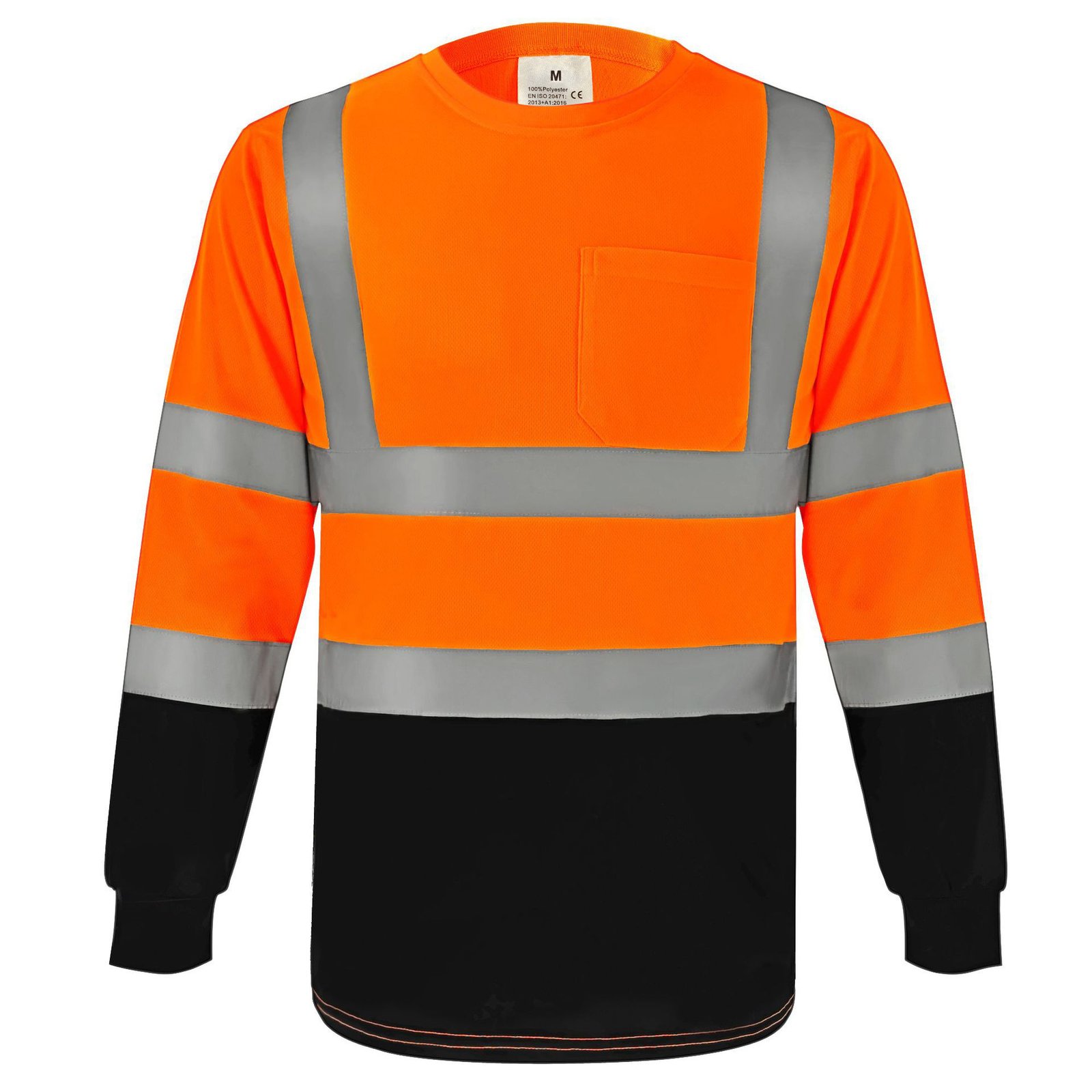
Warehouse and distribution work combines vehicle movement, loading docks, manual handling and cold storage, so the priority PPE set is lightweight slip-resistant safety footwear, hi-vis clothing in vehicle areas, cut- and impact-resistant gloves, cold-store insulated gloves where needed, and hearing protection in noisy machinery zones. MSQ SAFE confirms EN ISO 20345 footwear, EN ISO 20471 hi-vis, EN 388 gloves and EN 352 hearing protection by model, with documents and samples before bulk.
Key Hazards and Work Tasks
Warehouse and distribution work is a mix of moving equipment and moving people. Forklifts and pallet trucks share aisles and docks with walkers, so struck-by and crush risks are present wherever vehicles operate. Loading and unloading exposes workers to falling loads, pinch points and dock-edge slips, while picking and packing add repetitive manual handling, sharp packaging edges and strap cutting. Cold storage and freezer zones introduce low-temperature stress and condensation on floors, and conveyor, wrapper and forklift noise can exceed safe levels in concentrated work areas. Each zone changes the PPE that is appropriate.
Recommended PPE by Task
The table maps common logistics tasks to the main hazard and a practical PPE starting point. Confirm ratings and model suitability before ordering.
| Task | Primary hazards | Recommended PPE |
|---|---|---|
| Forklift and vehicle operation | Struck by, crush, pinch | S1P or S3 safety shoes, hi-vis vest, bump cap where head strike risk is assessed |
| Loading and unloading at docks | Falling loads, slips, crush | Steel or composite toe boots, hi-vis vest, impact-resistant gloves |
| Picking and manual handling | Cuts, abrasion, strain | Cut-resistant gloves, lightweight S1P safety shoes |
| Carton and strap cutting | Lacerations | Cut-resistant gloves, level 5 where tested |
| Cold storage and freezer work | Cold injury, condensation | Insulated safety boots, cold-weather gloves |
| Noisy machinery zones | Hearing damage | Ear plugs or earmuffs, SNR confirmed per model |
Standards and Documentation
Logistics PPE is normally specified against a small set of standards. Safety footwear is rated to EN ISO 20345:2022, where S1P adds a penetration-resistant midsole to a closed-heel antistatic shoe and S3 adds water resistance; SRC marks slip resistance tested on ceramic and steel surfaces. Hi-vis garments follow EN ISO 20471, hand protection follows EN 388, hearing protection follows EN 352 and eye protection follows EN 166; the hi-vis class guide and the EN 388 cut level guide explain how to read each rating. MSQ SAFE confirms the applicable standard, class and available third-party reports and declarations per model in the quotation, before an order is placed. The standards library explains each marking in plain language.
Procurement Checklist
- Map the warehouse zones: vehicle, dock, racking, cold store and packing each change the PPE requirement.
- Specify SRC slip resistance on footwear where floors are wet, oily or polished.
- Confirm the hi-vis class against the vehicle-traffic risk and any client specification.
- Match the glove cut level to the actual cutting task rather than buying one glove for every job.
- Measure or request noise data for machinery areas before choosing an SNR rating.
- Check cold-store temperatures and shift duration before selecting insulation.
- Ask for the EN class and the availability of test reports and declarations for every SKU in the quotation.
Ordering Samples and Documents
MSQ SAFE supports sample evaluation before bulk commitment. Stock samples are dispatched within three to five working days; customized samples with logo, colours or materials take fifteen to twenty-five days depending on the modification. Sample cost is quoted per product and deducted from the first bulk order above MOQ. Shipping is arranged by DHL, FedEx or UPS, freight collect or per agreement. Request samples, download the catalogue, or send an RFQ with your product list and target market; the export team aims to reply within one business day.
FAQ
Do warehouse staff always need steel toe shoes?
Not necessarily. Steel toe protection matters where falling or rolling loads are possible, such as docks and racking aisles, but lightweight S1P shoes with composite toe caps often suit picking and packing roles where staff walk all shift. Choose the toe material on weight, metal-detection policy and the task risk assessment; SRC slip resistance is usually the more important feature on smooth warehouse floors.
What hi-vis class is right for forklift areas?
It depends on the traffic risk and the client specification. A Class 2 vest is common in yards and low-speed vehicle areas, while work near fast-moving external traffic may require Class 3 clothing or a combination ensemble. EN ISO 20471 class is determined by the area of fluorescent and reflective material, not by colour, so check the marked class rather than the appearance.
Which gloves work in cold storage picking?
Cold-weather and thermal gloves are the starting point for freezer work, with a grip coating where handling is involved. The trade-off is dexterity: lighter insulation suits short picking tasks, heavier options suit longer exposure. Confirm the storage temperature and shift duration with the sales team so the glove and the boot insulation match the real conditions.
Are anti-static shoes relevant in warehouses?
Where the risk assessment identifies static discharge concerns, such as electronics storage or zones with flammable vapours, antistatic footwear is specified. S1P shoes include antistatic properties as part of the standard, and dedicated anti-static safety shoes are available. Confirm the required resistance range against the plant specification before ordering.
Can we sample before a bulk order?
Yes. Stock samples are dispatched within three to five working days and customized samples within fifteen to twenty-five days depending on the modification. The sample cost is quoted per product and deducted from the first bulk order above MOQ. Send the sample request with the models and sizes you want to evaluate.
Browse safety footwear for logistics, review the standards library, read the S1P versus S3 guide or request a documented bulk quote.