
Industry solutions
Construction PPE Solutions
Select safety footwear, hard hats, gloves, high visibility clothing, eye protection and fall systems by site risk.
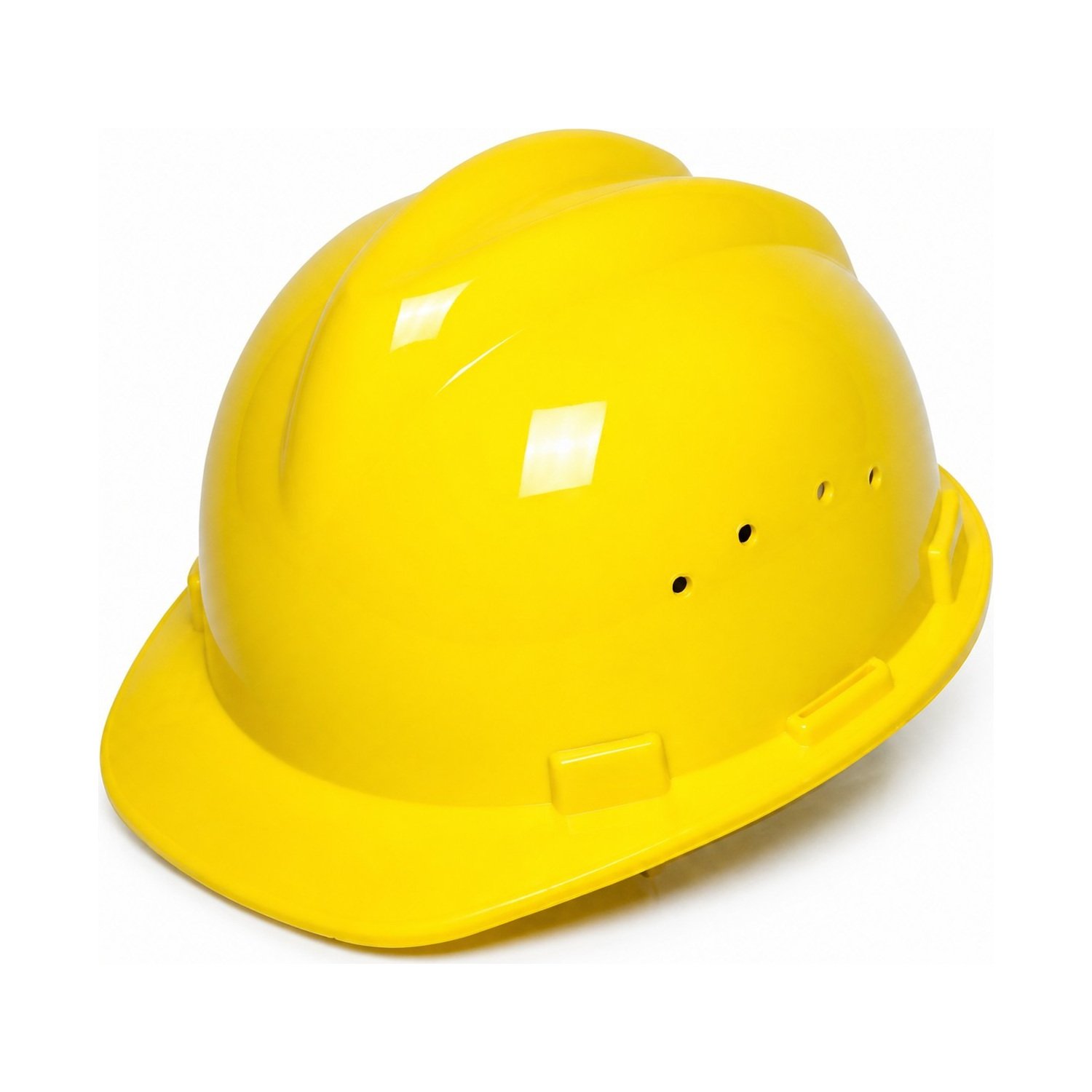
Construction PPE is selected site-risk first: safety footwear with toe and puncture protection for debris-strewn ground, helmets against falling objects, high-visibility clothing wherever plant moves, fall-arrest systems for work at height, plus eye, hand and dust respiratory protection matched to each task. MSQ SAFE supplies specification-led footwear and task-matched PPE for every phase of the build, with model-level documentation confirmed in the quotation.

Key hazards and work tasks
A construction site changes every week, so the PPE programme should be mapped to the current phase rather than a single generic kit list. The hazards that drive most selections:
- Work at height — scaffold erection, steel fixing, roof and cladding work, formwork. Falls remain the dominant fatal risk on most sites.
- Heavy and sharp materials — blocks, rebar, timber and sheet piles cause impact, crushing and puncture injuries to feet and hands.
- Falling objects — tools and materials dropped from upper levels onto workers below.
- Dust and particles — concrete cutting, chasing, grinding and demolition generate dust that may contain respirable crystalline silica.
- Moving plant and vehicles — excavators, telehandlers and concrete pumps share space with pedestrians on congested access routes.
- Slips and trips — wet ground, mud, loose rebar and cable runs across walkways.
Typical tasks include groundworks and concreting, formwork, steel fixing and rebar tying, masonry, scaffold and access erection, roofing and cladding, demolition and refurbishment, and site traffic marshalling.
Recommended PPE by task
| Work task | Main hazard | Product category | Specification to confirm |
|---|---|---|---|
| Scaffold, steel erection, roof work | Fall from height | Fall protection | Harness size and fit, anchorage points, lanyard length, energy-absorber clearance below the anchor |
| Groundworks, concreting, walking the site | Impact, crushing, puncture, wet ground | Safety footwear | Footwear class (e.g. S1P vs S3), toe cap, anti-puncture midsole, waterproofing, slip resistance |
| Steel fixing, masonry, handling sharp materials | Cuts, abrasion, puncture | Hand protection | Cut-resistance level matched to the material handled, grip, dexterity for tying and tying wire |
| Concrete cutting, grinding, chasing, demolition | Flying particles, dust, noise | Eye & face protection + Respiratory protection | Impact-rated, anti-fog lens; filtering class chosen from measured dust exposure, not guesswork |
| Working near plant, traffic marshalling, vehicle interfaces | Low visibility | Hi-vis workwear | Hi-vis class for the traffic context, garment type, declared wash-cycle performance |
| Work under suspended loads or upper-level activity | Falling objects | Head protection | Helmet standard, accessory slots for earmuffs and face shields, replacement policy after any impact |
Standards and documentation
The standards that may apply to construction PPE — safety footwear, industrial helmets, high-visibility clothing, gloves, eye protection, filtering masks and fall-arrest systems — are explained in plain language on our Standards and Directives page. They are listed there as references for your specification, not as a claim that any model is certified: the standard that applies to a given SKU depends on the product, the target market and the documents available, and we confirm all of it per model in the quotation. Before ordering, review how reports are handled on our Certifications and Testing & Test Reports pages so you know exactly what to ask for.
Procurement checklist
- Map PPE to the current site phase and task, not to a generic “site kit” that gets reused for every project.
- Write the standard and class you want into the spec — footwear class, hi-vis class, cut level — instead of relying on brand names.
- Check compatibility before ordering: helmet accessory slots, goggles worn over a half-mask, connector types on harness lanyards.
- Confirm sizing and involve the crew; ill-fitting PPE gets left in the site van.
- Ask for the available documents — declarations, test reports, date codes — before committing quantities.
- Plan inspection and replacement cycles for helmets, harnesses and lanyards, which degrade with UV, heat and rough handling.
Ordering, samples and documents
Start with a sample request so fit, finish and documentation match your expectation before you commit to bulk. Send your task list and target market via Request a Quote and the export team confirms pricing, MOQ, lead time and the available conformity documents for each selected model, usually within one business day. The full range is in the downloadable catalogue. For footwear selection, our guide How to Choose Safety Shoes for Construction Workers walks through the five-step framework used by site procurement teams; for lanyard and clearance questions, read Fall Clearance Calculation before you specify. Site-specific questions go straight to the technical team.
Frequently asked questions
Do I need Class 2 or Class 3 hi-vis on a construction site?
It depends on the traffic context. Class 3 carries the largest fluorescent and reflective surface areas and is typically chosen where vehicles move faster or visibility is critical; Class 2 suits many general site roles. Your risk assessment and any client or contractor rules decide the class — the differences are explained in our hi-vis classes guide.
What is the difference between S1P and S3 safety boots?
Both classes include a penetration-resistant midsole; S3 adds water resistance and a cleated outsole on top of the S2 upper requirements. If crews work in wet trenches or exposed ground, waterproofing usually wins; for dry indoor phases S1P is lighter and cheaper. The full class-by-class breakdown is in S1P vs S3 Safety Shoes.
Which harness and lanyard should we specify for scaffold work?
A full-body harness with the lanyard chosen so that the total fall distance stays within the available clearance below the anchor — that is the calculation that decides lanyard length and energy-absorber requirements, not a rule of thumb. Work through the numbers in Fall Clearance Calculation and confirm connector types against the anchorage points on site.
Do construction helmets protect against electrical hazards?
Only if the electrical-insulation property is explicitly specified and marked. It is an optional mark on an industrial helmet standard, not a default feature, so a standard helmet must not be treated as electrically insulated. The difference between helmet types and optional marks is covered in EN 397 vs EN 12492 Safety Helmets.
What dust mask do we need for cutting concrete?
That depends on the measured dust exposure, which varies with cutting method, water suppression and ventilation. Once the exposure level is known, the filtering class can be matched to it. Our FFP1, FFP2 and FFP3 guide explains what each class actually filters and when a respirator is reusable.