
Industry solutions
Road Work PPE Solutions
High visibility clothing, footwear, head, hand, eye and hearing protection selected for roadside and infrastructure work.
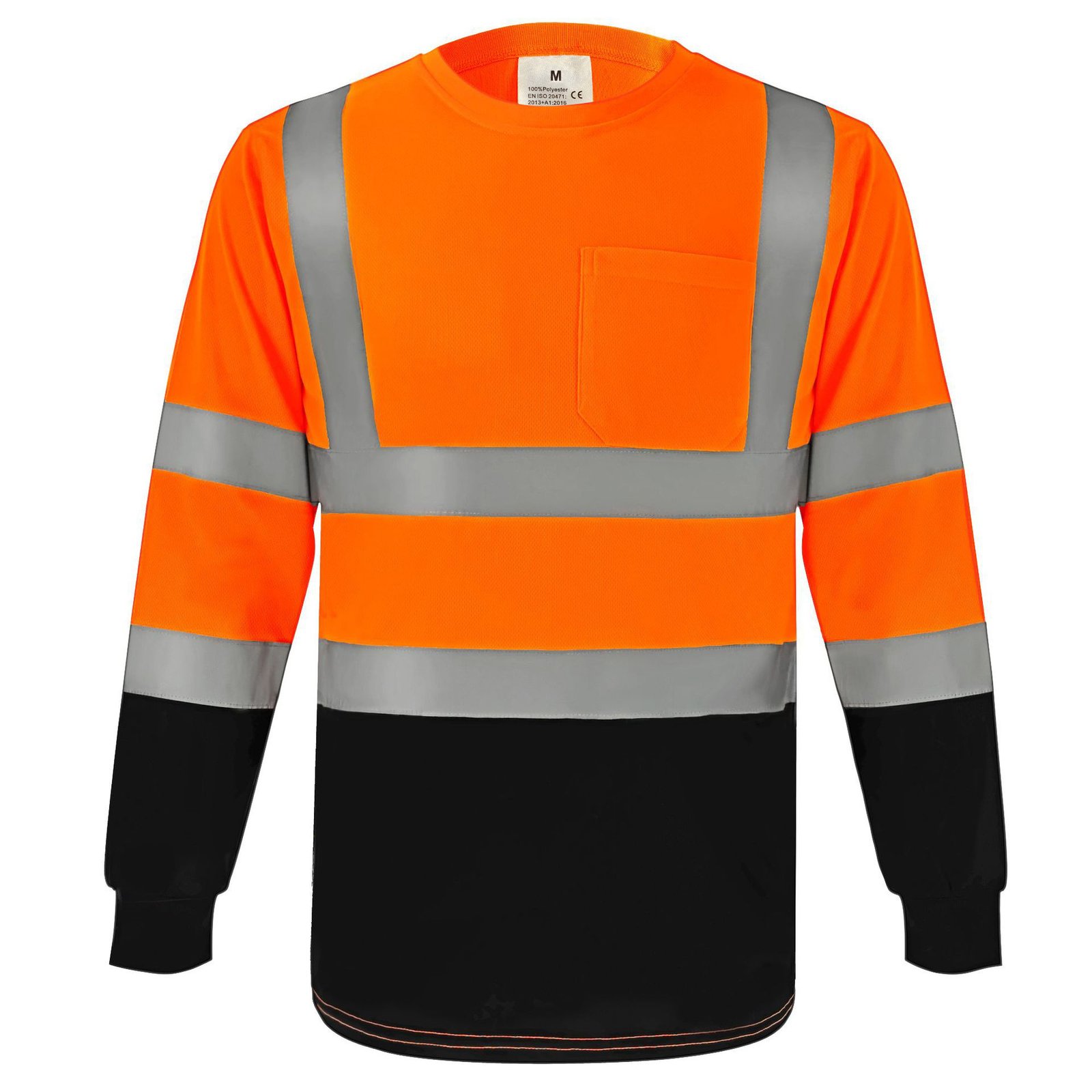
Roadside work combines fast traffic, changing weather, machinery noise, dust and hot asphalt, so the core PPE set is EN ISO 20471 high-visibility clothing chosen to the traffic risk, waterproof and weather-rated footwear, hearing protection for plant, dust masks where required and heat-resistant boots for asphalt crews. MSQ SAFE confirms hi-vis class, EN ISO 20345 footwear and EN 352 hearing protection by model, with documents and samples before bulk orders.
Key Hazards and Work Tasks
The defining hazard of road work is traffic: crews work metres from moving vehicles, so struck-by risk governs the hi-vis specification. Weather adds a second layer — rain, cold and heat affect both safety and endurance — while plant such as breakers, rollers and pavers produce noise, vibration and dust. Asphalt paving and surface dressing expose workers to hot bitumen and radiant heat from the material, and heavy vehicle movement within the site adds crush and pinch risk. Tasks range from traffic control and line marking to pavement breaking, sweeping, sign and barrier installation, and winter maintenance at night, and each task shifts the PPE balance.
Recommended PPE by Task
The table maps common road work tasks to the main hazard and a practical PPE starting point. Confirm ratings and model suitability before ordering.
| Task | Primary hazards | Recommended PPE |
|---|---|---|
| Traffic control and flagging | Struck by traffic | Class 2 or Class 3 hi-vis clothing per risk assessment, vest for low-speed areas |
| Asphalt paving and surface dressing | Heat, burns, traffic | HRO heat-resistant boots, hi-vis clothing, cut-resistant gloves |
| Breaking and jackhammering | Noise, vibration, dust | earmuffs, anti-vibration gloves, dust mask per assessment |
| Line marking and sweeping | Dust, paint mist, traffic | hi-vis clothing, dust mask per assessment, safety glasses |
| Winter and night maintenance | Cold, low visibility | Class 3 winter parka, insulated boots, thermal gloves |
| Sign and barrier installation | Manual handling, traffic | impact-resistant gloves, hi-vis clothing, safety footwear |
Standards and Documentation
Road work PPE is specified against a few core standards. High-visibility clothing follows EN ISO 20471, where the class is set by the minimum area of fluorescent and reflective material — Class 3 provides full-body visibility and is the normal requirement near fast traffic. Rainwear follows EN 343, which declares both waterproofness and breathability, and cold ensembles follow EN 342. Footwear follows EN ISO 20345, with S3 waterproofing, SRC slip resistance and HRO heat-resistant outsoles specified by task. Hand protection follows EN 388, hearing protection follows EN 352 and particle filtering follows EN 149. MSQ SAFE confirms the applicable standard, class and available third-party reports and declarations per model in the quotation, before an order is placed.
Procurement Checklist
- Confirm the traffic speed and the client specification first: they decide the hi-vis class, and a sleeveless vest cannot reach Class 3 on its own.
- Check the declared wash cycles on hi-vis garments — a rating for five washes and one for fifty are not comparable products.
- Balance waterproofness and breathability on rainwear using both EN 343 figures, not the waterproof rating alone.
- Specify HRO outsoles for asphalt crews and SRC slip resistance for wet, tarred or polished surfaces.
- Measure plant noise before choosing an SNR, and add anti-vibration gloves where breakers and compactors are in daily use.
- Match dust masks to the exposure assessment for cutting, grinding and sweeping tasks.
- Ask for the EN class, test report availability and care or replacement declarations for every SKU in the quotation.
Ordering Samples and Documents
MSQ SAFE supports sample evaluation before bulk commitment. Stock samples are dispatched within three to five working days; customized samples with logo, colours or materials take fifteen to twenty-five days depending on the modification. Sample cost is quoted per product and deducted from the first bulk order above MOQ. Shipping is arranged by DHL, FedEx or UPS, freight collect or per agreement. Request samples, download the catalogue, or send an RFQ with your product list and target market; the export team aims to reply within one business day.
FAQ
Is a hi-vis vest enough for highway work?
Usually not on its own. Most highway authorities require Class 3 for work on or adjacent to carriageways with moving traffic, and a sleeveless vest cannot reach Class 3 because the standard requires full-body visibility. A Class 2 vest is generally acceptable in yards, car parks and low-speed sites. Check the local authority or client specification, as requirements differ by country.
What boots should asphalt crews wear?
Heat-resistant outsoles rated HRO are the key feature for paving and surface dressing, combined with S3 waterproof construction where the work is wet or the site is sprayed. Slip resistance matters on tarred and polished surfaces. Send the task details and site conditions with your RFQ so the sales team can match the boot specification to the job.
Do you make hi-vis clothing for rain?
Yes. The hi-vis rain suit combines EN ISO 20471 visibility with EN 343 rain protection, and softshell and winter parka options extend the range for cold and night work. Check both EN 343 figures: waterproofness and breathability, because a garment that traps sweat is not practical for a full shift.
How long does hi-vis clothing last?
The standard requires performance to be maintained for a declared number of wash cycles, and that number is marked on the label. Retire garments when the fluorescent fabric visibly fades, when reflective tape cracks, peels or stops returning light, or when the marked wash limit is exceeded. Soiling also reduces performance, so compare the declared wash count when choosing between suppliers.
Can we add our company logo to hi-vis and boots?
Yes. MSQ SAFE supports private-label and OEM programs, including logos, colours and packaging on hi-vis clothing, footwear and the full PPE range. MOQ and lead time are confirmed by style and construction in the quotation, and customized samples are available before bulk production.
Review the standards library, read the hi-vis class guide, or request a documented bulk quote for your road work program.