
Industry solutions
Manufacturing PPE Solutions
Specify footwear, hand, eye, face, hearing and respiratory protection around the actual production hazards.
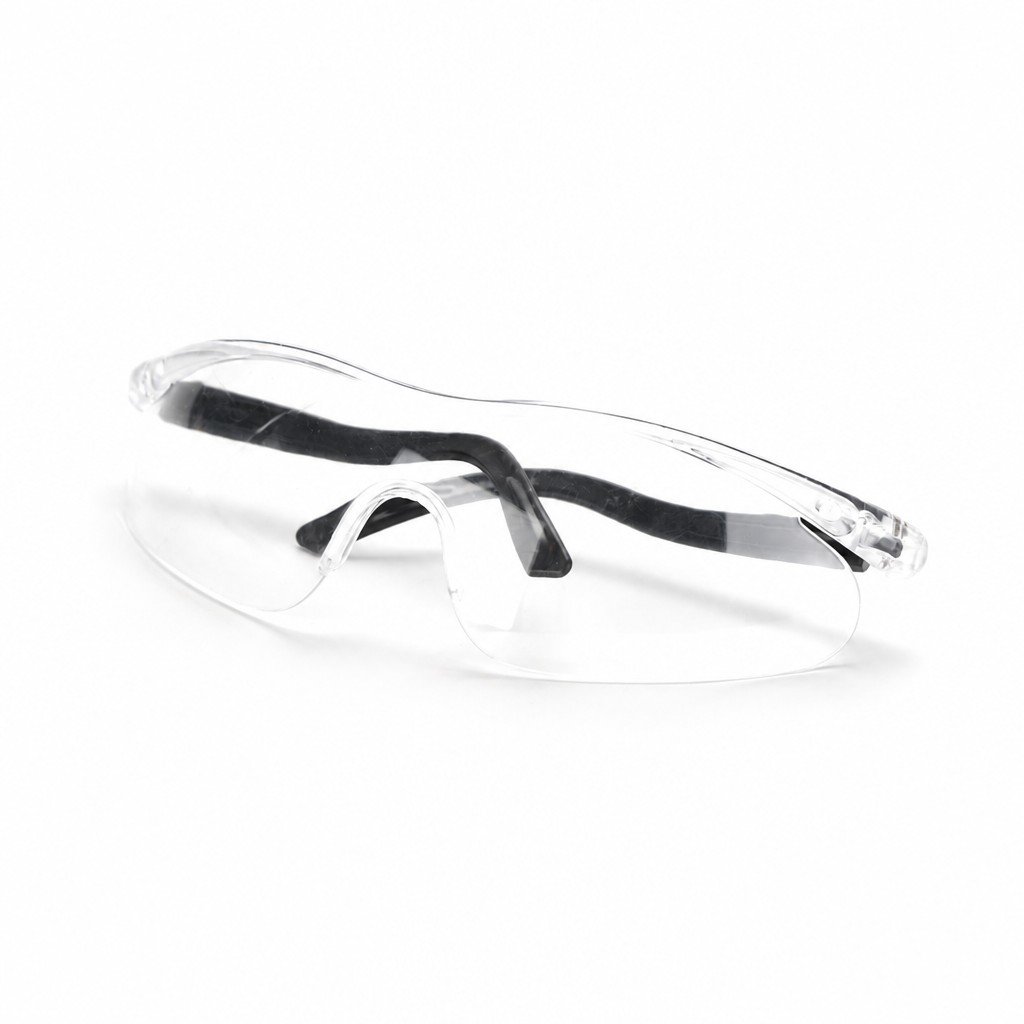
Manufacturing PPE follows the machine, not the whole shop floor: cut-resistant gloves for handling sharp parts and swarf, anti-fog eye and face protection against coolant splash and flying particles, hearing protection where presses and CNC lines push noise up, and lightweight safety shoes for all-day standing on hard, sometimes oily floors. Anti-static and ESD options are available on request for electronics and component lines.

Key hazards and work tasks
Factories concentrate hazards at specific stations, so the practical way to spec PPE is machine by machine. The hazards that drive most selections:
- Machine operation — rotating parts, nip points and pinch zones on lathes, mills, presses and conveyors.
- Cutting, shearing and stamping — sharp sheet edges, swarf and hot chips that cause deep cuts and lacerations.
- Chemical splash — coolants, cutting oils, degreasers, solvents and plating baths around machining and finishing.
- Noise — presses, stamping lines, CNC spindles and compressors that build up over a full shift.
- Repetitive tasks — assembly, packing and inspection where micro-cuts and fatigue accumulate over hours.
- Grinding, sanding and polishing — airborne particles, dust and wheel fragments.
- Slips — oil, coolant and lubricant film on concrete floors around machines.
Typical tasks include CNC machining and machine tending, sheet-metal cutting and deburring, press and stamping operation, welding, assembly and inspection, plating and finishing, and internal movement between production and storage.
Recommended PPE by task
| Work task | Main hazard | Product category | Specification to confirm |
|---|---|---|---|
| CNC machining and machine tending | Rotating parts, nip points, impact | Safety footwear | Lightweight composite-toe class, antistatic behaviour, oil-resistant outsole for coolant-wet floors |
| Sheet-metal cutting, shearing, deburring | Cuts and lacerations | Hand protection | Cut-resistance level matched to the material, dexterity for fine handling, grip on oily parts |
| Machining with coolants, degreasing, plating | Chemical splash | Eye & face protection | Field-of-use marking for splash and chemicals, anti-fog lens, goggles that fit over prescription glasses |
| Press shops, stamping lines, compressors | Noise | Hearing protection | Attenuation (SNR plus H/M/L values) matched to measured noise — avoid over-protection |
| Grinding, sanding, polishing | Particles, dust, noise | Eye & face protection + Respiratory protection | Impact-rated anti-fog eyewear; filtering class chosen from measured dust exposure |
| Repetitive assembly of sharp components | Micro-cuts, fatigue | Hand protection | Seamless liner for comfort, grip coating, cut level suited to the component edges |
| Electronics assembly and ESD zones | Static discharge (product protection) | Safety footwear — ESD options | Antistatic vs ESD class per your plant specification; confirmed per SKU on request |
Standards and documentation
The standards that may apply to manufacturing PPE — mechanical gloves, chemical splash eye protection, hearing protection, filtering masks and safety footwear, plus antistatic or ESD requirements for electronics areas — are explained in plain language on our Standards and Directives page. They are references for your specification, not a claim that any model is certified: the applicable standard is confirmed per SKU for your target market in the quotation. See Certifications for how documentation is handled before any order is placed.
Procurement checklist
- Walk the line and list every machine, process and chemical; assign hazards per station rather than per department.
- Specify the cut level or chemical type, not the glove brand — and check whether your team works to EN or ANSI/ISEA ratings.
- Match hearing protection attenuation to measured noise levels; over-protection blocks alarms and communication.
- Confirm anti-fog performance for humid lines and goggles that fit over prescription glasses.
- For ESD zones, confirm your plant’s surface-resistance requirements first; we confirm compliance per SKU on request.
- Order sample sizes across the crew before bulk — dexterity and comfort decide whether gloves get worn.
Ordering, samples and documents
Send a sample request for the specific tasks on your line — cut levels, fit and documentation need to be checked by hand before volume. Then submit the task list, quantities and target market through Request a Quote; the export team replies with pricing, MOQ, lead time and the available conformity documents per model, usually within one business day. Browse the complete range in the downloadable catalogue. If you are new to specifying gloves, read EN 388 Cut Levels Explained so the markings on the packaging mean something at the ordering stage. For respirator questions on dusty processes, the FFP guide covers when a filter class is appropriate. Anything plant-specific goes to the technical team.
Frequently asked questions
Which cut level do we need for handling sheet metal?
It depends on how the parts are handled — carrying flat blanks, picking sharp-edged pressings, or wiping swarf — and how much force and blade contact are involved. Cut-resistance markings are a starting point, not a single answer per material. Read EN 388 Cut Levels Explained to translate the markings, then test samples on the actual task.
Do we need ESD safety shoes on the production floor?
Only if your plant specification defines an ESD zone with surface-resistance or charge-decay requirements. Plain antistatic footwear is not the same as ESD-rated footwear, and the distinction matters in electronics assembly. Check your plant’s requirement first, then we confirm the appropriate option and documentation per SKU — the class breakdown in EN ISO 20345 Explained helps with antistatic properties.
Goggles or face shield for coolant splash at CNC stations?
Goggles sealed around the eyes are the usual first line against splash; a face shield protects the face but leaves gaps underneath, so it should not be the only eye protection. For stations that also throw chips and particles, impact-rated eyewear with an anti-fog lens matters as much as the splash protection.
How do we choose hearing protection for a press shop?
Measure the noise at the operator position first — attenuation has to match the actual level. SNR is a quick guide, but the H/M/L values show how the protector behaves at high, medium and low frequencies, and choosing the highest SNR you can find is a common mistake: over-protection isolates workers from alarms and shouted warnings.
FFP2 mask or reusable half-mask for grinding dust?
It depends on the exposure level and how long the task lasts. Disposable filtering masks are convenient for short, occasional work; a reusable half-mask with replaceable filters often suits sustained grinding and sanding shifts, provided it is maintained and stored correctly. Our FFP1, FFP2 and FFP3 guide explains the classes and the reusable marking.