
Industry solutions
Mining PPE Solutions
Protective equipment selected for impact, dust, noise, visibility, foot hazards and work-at-height applications.
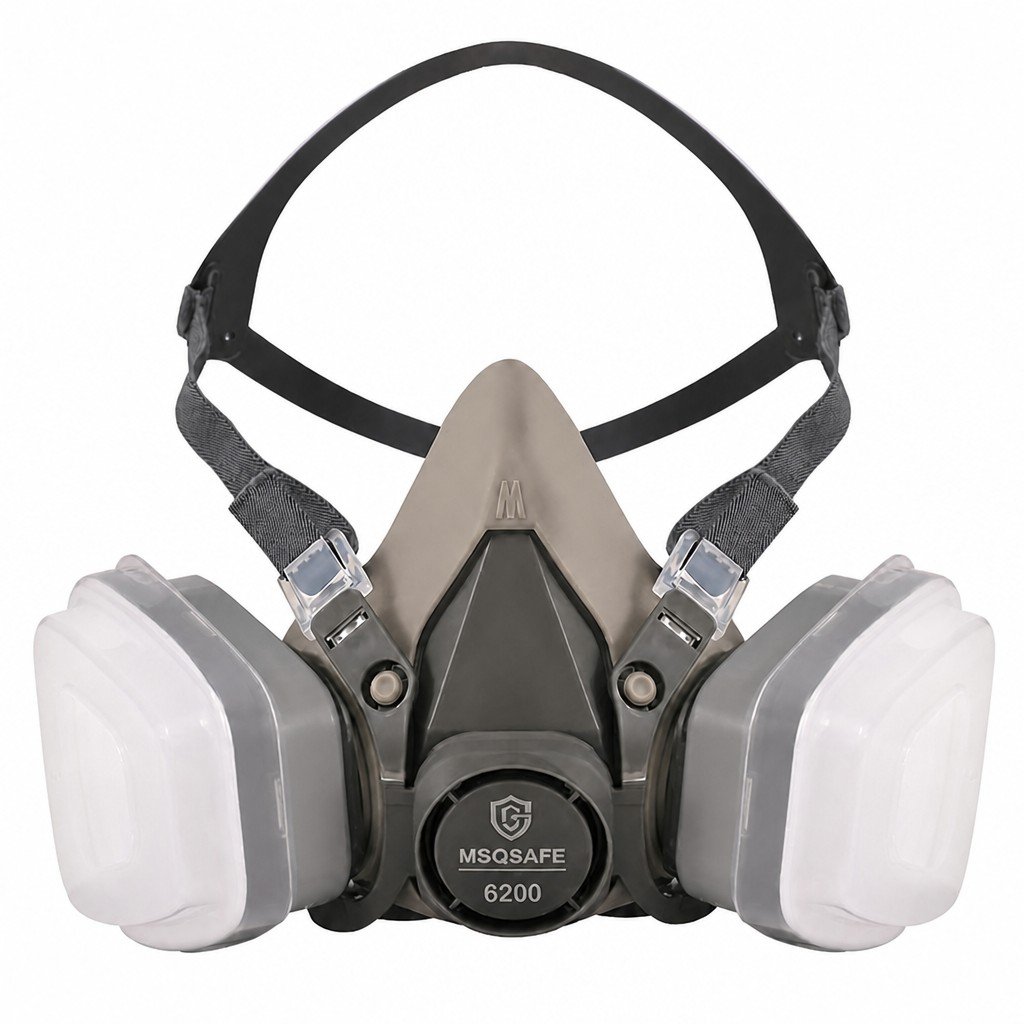
Mining exposes workers to falling rock, airborne dust, high noise, heavy equipment, awkward heights and confined underground environments. The core PPE set is steel-toe puncture-resistant boots, impact-rated gloves, a certified helmet, eye protection, hearing protection and task-appropriate respiratory protection, where the filter class is selected from the site risk assessment rather than by habit. MSQ SAFE confirms EN 397 helmets, EN 388 gloves and EN 149 respirators by model, with documentation and samples before bulk.
Key Hazards and Work Tasks
Mining hazards follow the work cycle: drilling and bolting produce dust, noise and hand-arm vibration; blasting and scaling create falling rock and fly rock; crushing and screening add continuous noise and dust clouds; haul trucks and mobile plant introduce struck-by and crush risk; and shaft, raise and scaffold work adds fall-from-height exposure. Underground, workers also face confined spaces, low light, damp conditions and long travel distances on uneven ground. Surface operations add weather exposure and vehicle visibility challenges. Because the dust type, concentration and exposure time differ by site, respiratory protection cannot be chosen from a catalogue alone.
Recommended PPE by Task
The table maps common mining tasks to the main hazard and a practical PPE starting point. Confirm ratings and model suitability before ordering.
| Task | Primary hazards | Recommended PPE |
|---|---|---|
| Drilling and bolting | Dust, noise, vibration | Dust mask or respirator per assessment, earmuffs, anti-vibration gloves |
| Blasting and scaling | Falling rock, fly rock | EN 397 helmet, impact-rated eye protection, impact-resistant gloves |
| Crushing and screening | Noise, dust, crush | hearing protection, respirator per assessment, impact gloves, steel-toe boots |
| Haul truck and plant operation | Struck by, crush, low visibility | hi-vis vest, safety footwear |
| Shaft, raise and work at height | Falls | EN 361 harness, twin lanyard, helmet with chin strap |
| Underground travel and general duties | Head strike, slip, trip, foot penetration | S3 boots with puncture midsole, helmet, cut-resistant gloves |
Standards and Documentation
Mining PPE maps to a compact set of standards. Head protection follows EN 397, with optional marks such as low-temperature or lateral deformation performance specified where the mine requires them. Hand protection follows EN 388 for mechanical risk and ANSI/ISEA 138 where impact rating is specified. Respiratory protection follows EN 149 for filtering half masks, with FFP1, FFP2 and FFP3 classes confirmed per model; reusable half-mask and filter systems are available for assessed dust and vapour exposure. Footwear follows EN ISO 20345, and fall protection follows EN 361, EN 355 and EN 362. MSQ SAFE confirms the applicable standard, class and available third-party reports and declarations per model in the quotation, before an order is placed.
Procurement Checklist
- Start with the risk assessment, especially for respiratory protection: dust type, concentration and exposure time decide whether FFP1, FFP2, FFP3 or a half-mask with filters is appropriate.
- Confirm helmet features per model, including chin-strap anchorage and any lamp-bracket compatibility required by the mine.
- Specify puncture-resistant midsoles for footwear where standing or walking on sharp rock is routine.
- Ask for the impact rating on gloves where hands work near rock, equipment or moving parts.
- Select hearing protection after noise measurement, and check helmet-mounted options where earmuffs must combine with helmets.
- Confirm fall-arrest equipment matches the anchor points and free-fall distance of each work area.
- Request the EN class, test report availability and care or replacement declarations for every SKU in the quotation.
Ordering Samples and Documents
MSQ SAFE supports sample evaluation before bulk commitment. Stock samples are dispatched within three to five working days; customized samples with logo, colours or materials take fifteen to twenty-five days depending on the modification. Sample cost is quoted per product and deducted from the first bulk order above MOQ. Shipping is arranged by DHL, FedEx or UPS, freight collect or per agreement. Request samples, download the catalogue, or send an RFQ with your product list and target market; the export team aims to reply within one business day.
FAQ
Which respirator should we choose for mine dust?
The filter class must come from the exposure assessment, not from habit. EN 149 rates FFP1, FFP2 and FFP3 filters for particles, and reusable half-mask systems with combination filters cover assessed dust and vapour exposure. The respirator guide explains the difference between classes; send the dust type, concentration and task details with your RFQ so the technical team can match models and documents.
Are standard EN 397 helmets enough underground?
EN 397 helmets are the industrial baseline, but underground work may require optional performance such as low-temperature testing, lateral deformation resistance or a chin strap that suits the task. Lamp-bracket compatibility and other mine-specific fittings should be confirmed per model before purchase. For climbing-style work at height, check the EN 397 versus EN 12492 comparison before substituting one helmet for the other.
What boots hold up underground?
S3 boots are the common starting point: steel or composite toe, a penetration-resistant midsole for sharp rock, water resistance for damp workings and a cleated outsole for grip. Cold insulation is relevant in deep or high-altitude operations, and heat-resistant outsoles matter where hot ground or slag is present. Confirm the toe and midsole specification against the actual ground conditions and any metal-detection policy.
Do you supply hearing protection that fits under helmets?
Yes. Helmet-mounted earmuffs and banded ear plugs are available alongside standard earmuffs and foam plugs, all rated to EN 352 with SNR confirmed per model. Select the attenuation after measuring the actual noise levels: over-protection can isolate workers from warning signals, so the rating should match the exposure rather than simply being the highest available.
Can mining companies order branded PPE in bulk?
Yes. MSQ SAFE supports private-label and OEM programs, including development, sampling, certification documentation and production under your own brand. MOQ and lead time are confirmed by style and construction in the quotation. Start with samples to evaluate fit and finish before committing to a bulk program.
Review the standards library, read the respirator class guide, or request a documented bulk quote for your mining program.