
Industry solutions
Oil & Gas PPE Solutions
Specify footwear, gloves, protective workwear, head, eye, hearing and fall protection for the operating environment.
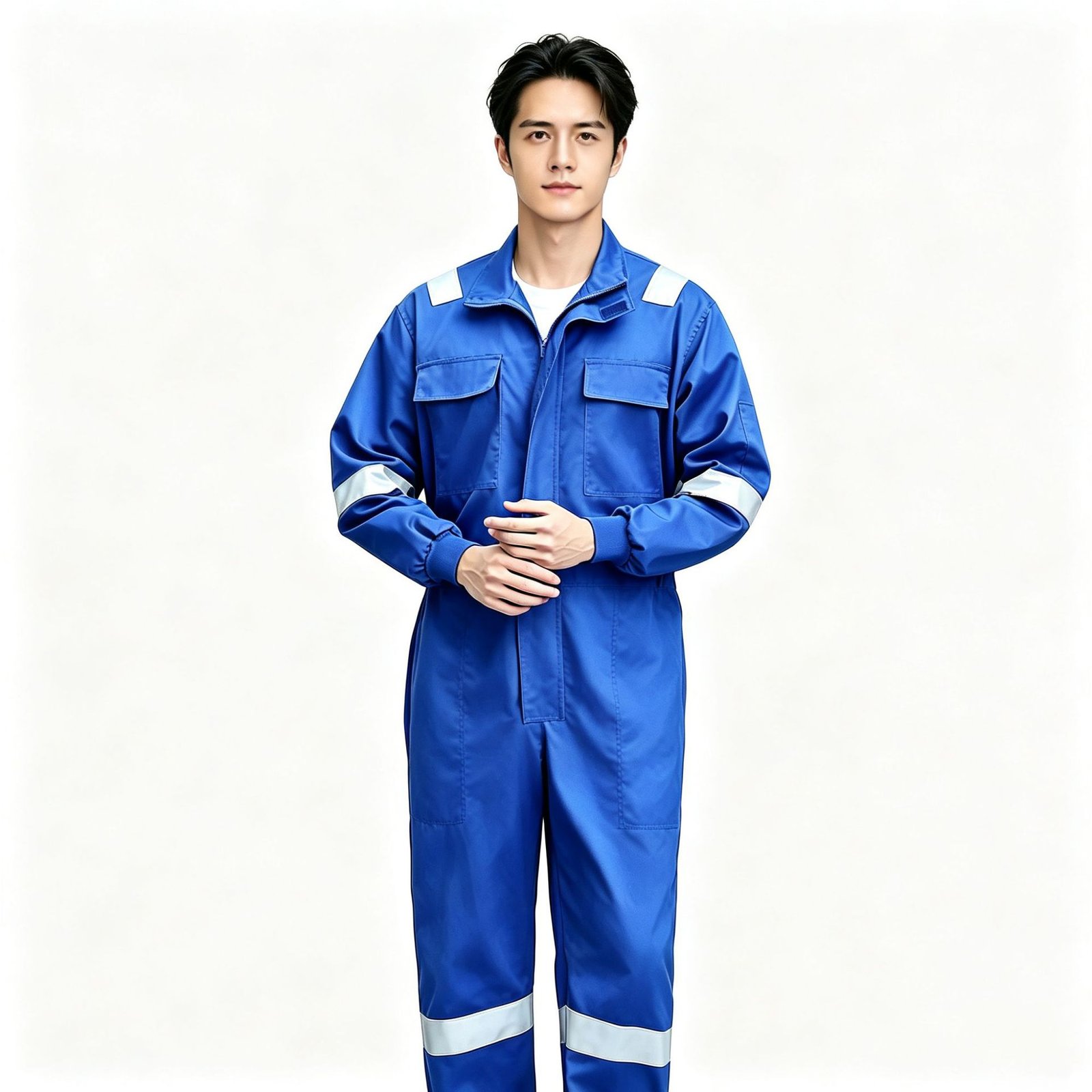
Oil and gas PPE starts from the site risk assessment, not the catalogue: flame-resistant or arc-rated workwear where the site procedure requires it, respiratory protection selected only after gas testing identifies the contaminant, hearing protection for plant noise, fall-arrest for platforms and tanks, and slip-resistant waterproof footwear for oily decks. MSQ SAFE confirms the applicable standard and documents per SKU in the quotation.

Key hazards and work tasks
Onshore and offshore sites combine process hazards no universal kit can cover — each is decided by the specific operation and its permit conditions. The hazards driving most selections:
- Flammable atmospheres — classified zones around process units, loading, venting and hot work; FR or arc-rated requirements from the site risk assessment.
- Chemicals — drilling fluids, production chemicals, solvents and caustics that splash or permeate through gloves and clothing.
- Oxygen deficiency and toxic gas — confined spaces and well sites can present oxygen deficiency, hydrogen sulphide (H2S) or carbon monoxide; respiratory protection only after gas testing and risk assessment.
- Noise — compressors, pumps, turbines and flaring build high levels over full shifts.
- Work at height — platforms, derricks, tank tops and scaffolding.
- Slips — oily, wet steel decks and grating, especially on offshore installations.
- Hot work — welding and grinding with sparks, UV/IR radiation and molten metal.
Typical tasks: process rounds, chemical dosing and sampling, tank offloading, confined space entry, maintenance and turnaround, well service, welding and hot work.
Recommended PPE by task
| Work task | Main hazard | Product category | Specification to confirm |
|---|---|---|---|
| Process operations in classified areas | Flammable atmospheres, flash fire, electric arc | Protective workwear | FR or arc-rated requirement from your site risk assessment; standards and documentation confirmed per SKU |
| Chemical dosing, sampling, offloading | Chemical splash and permeation | Hand protection + Eye & face protection | Chemical resistance matched to the specific chemicals in contact; sealed goggles and/or face shield for splash |
| Confined space entry, well sites, sour gas areas | Oxygen deficiency, H2S, toxic gases | Respiratory protection | Selection only after gas testing and risk assessment; contaminant and concentration decide the type — never choose on assumption |
| Compressor halls, pump decks, flare areas | High noise | Hearing protection | Attenuation (SNR plus H/M/L values) matched to measured noise — avoid over-protection that blocks alarms |
| Platform access, tank tops, derrick work | Fall from height | Fall protection | Harness fit, anchorage points, lanyard length and clearance below the anchor |
| Oily and wet steel decks | Slips | Safety footwear | Waterproof class, slip resistance, oil- and chemical-resistant outsole; check compatibility with FR trouser requirements |
| Welding and hot work | UV/IR, sparks, molten metal | Eye & face protection | Welding filter shade matched to the process; FR clothing per site rules where sparks are present |
Standards and documentation
Oil and gas specifications frequently reference standards for protective clothing, respirators, hearing protection, footwear and fall-arrest equipment. All are explained on our Standards and Directives page — treat them as references to check against your site’s requirements, not as a claim that any model is certified. For FR or arc-rated garments and respiratory protection, the site risk assessment is the starting point; we confirm the applicable standard and documents per SKU. See Certifications and Testing & Test Reports for how documentation is verified before ordering.
Procurement checklist
- Start from the site risk assessment, permit conditions and any client-mandated equipment matrix — not a generic list.
- For FR or arc-rated clothing: require a documentation review before ordering and confirm the standard and reports per SKU.
- For respiratory protection: gas test results and exposure assessment come first; confirm mask and cartridge per contaminant and concentration.
- Match hearing protection attenuation to measured noise; alarms must remain audible.
- Confirm footwear waterproofing, slip resistance, outsole chemical resistance and compatibility with FR workwear.
- Plan sizing across crews and routine inspection cycles for fall-arrest equipment.
Ordering, samples and documents
Because documentation matters as much as the garment, start with a sample request and ask for test reports and declarations alongside it. Submit the task list, site requirements and target market through Request a Quote; the export team confirms pricing, MOQ, lead time and available conformity documents per model, usually within one business day. The current range is in the downloadable catalogue. For respirator selection, our FFP1, FFP2 and FFP3 guide is useful reading for the risk assessment meeting; for lanyard and clearance questions, see Fall Clearance Calculation. Anything site-specific goes to the technical team.
Frequently asked questions
Do you supply FR coveralls for oil and gas?
We supply protective workwear; whether a garment qualifies as FR or arc-rated for your site is decided by your risk assessment and site rules, not by us. For every SKU we confirm the applicable standard and documentation in the quotation — we do not claim certification without documents; request the reports and check them against your requirement.
Which respirator protects against H2S?
None can be chosen on assumption. Oxygen deficiency and H2S exposure must first be established by gas testing and risk assessment — the right answer depends on the contaminant, its concentration and the task. Once that is known, we confirm the options — mask type, filter or cartridge — and documentation per SKU. Our FFP guide explains why particle filters alone are not the answer for gases.
Are your boots antistatic enough for explosive atmospheres?
Antistatic footwear options exist in our range, but whether they are acceptable in your classified area is decided by your site’s static and electrical requirements, the zone classification and your own procedures. We confirm antistatic behaviour and available documentation per SKU for your target market.
What is the difference between FR and arc-rated clothing?
They address different hazard scenarios — FR clothing is specified against flash-fire exposure, while arc-rated clothing is specified against the thermal effects of an electric arc. Your risk assessment determines which scenario applies to the task. We supply protective workwear and confirm the standard and documentation per SKU; site suitability is confirmed against your requirements, not assumed.
Can hearing protection make alarms and warnings inaudible?
Yes — over-protection is a real problem in plants with sirens, radio calls and gas alarms. Attenuation should be matched to the measured noise level; the H/M/L values show how the protector behaves across frequencies. Picking the highest SNR automatically can mask warning signals; we ask for the noise survey alongside the order.