

Safety footwear – buyer guide
How to Build a PPE RFQ by Hazard, Model and Required Documents
How EN ISO 20345 protection classes map to real working conditions, with the evidence to verify them.
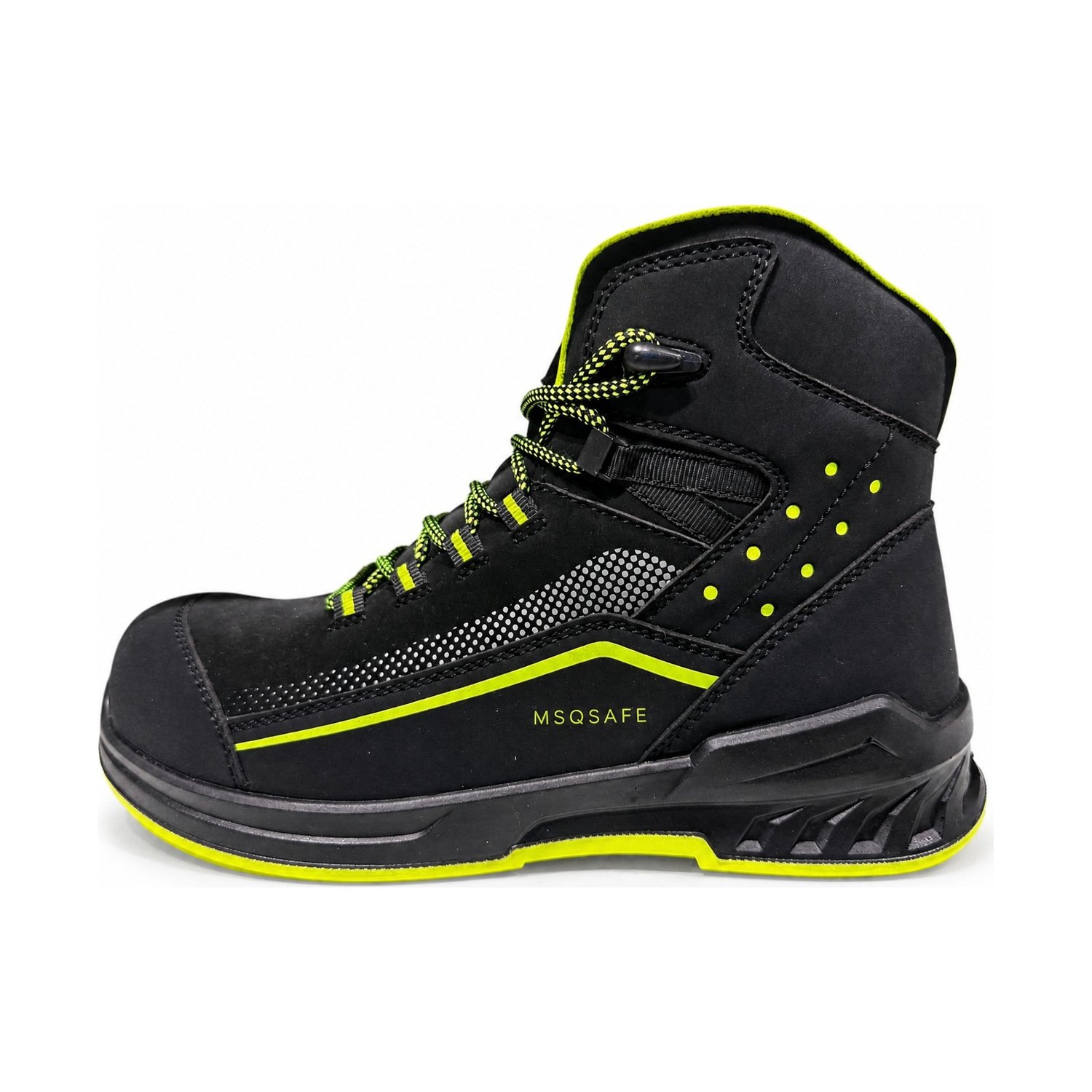
Direct answer: A professional PPE RFQ starts with the workplace hazard and task, then defines the product category, model features, target market, applicable standard, document requirement, quantity, branding and sample plan. Category-level claims are not enough; specifications and available evidence must be confirmed for the selected model.
Start with the risk assessment
Describe the work activity, hazard, environment, user group and exposure conditions before naming a product. Falling-object risk, sharp debris, chemical splash, heat, low visibility, airborne contaminants, noise and work at height lead to different product categories and selection criteria. PPE is one part of a wider risk-control program and should follow the buyer or employer assessment.
Define each item by model-level requirements
- Product category and intended task.
- Required protective features and fit considerations.
- Target market and applicable standard requested by the buyer.
- Accessories and compatibility requirements.
- Color, logo, label and packaging scope.
- Quantity by model and size.
Do not assume that every model in a category has the same certification, optional property or document set.
Request the right evidence
State whether the procurement file needs a declaration, certificate, test report, user information, technical data sheet, traceability label or sample. Ask the supplier to identify the exact model and document reference. Check scope, applicant or manufacturer identity, applicable edition, validity and whether the tested construction matches the quoted product.
Plan compatibility checks
Items used together must be reviewed as a system. Helmet slots, earmuffs, visors and chin straps may not be interchangeable. Respirator filters must match the facepiece connection and identified contaminant. Fall-arrest components require a complete system review including anchorage and clearance. Safety footwear fit must be checked across the intended size range.
Turn the RFQ into an approval record
- Supplier confirms model and available evidence.
- Buyer reviews documents and technical data.
- Representative samples are checked for fit and use.
- Branding and packaging are approved.
- The quotation records included scope and exclusions.
- A pre-production reference is retained for bulk inspection.
Frequently Asked Questions
Can one certificate cover every PPE model in a category?
No. Scope and model coverage must be checked against the exact quoted product and destination market.
Should an RFQ name a standard before the hazard is defined?
The hazard and task come first. The buyer can then identify the applicable market requirements and confirm them for the selected model.
Why are accessory details important?
Slots, mounting systems, filters, visors, earmuffs and other components are not universally compatible.
What quantity information is needed?
Provide quantity by product, model, color and size, plus any packaging split, because these affect production and quotation.
Does a sample replace document review?
No. Samples support fit and usability review, while documents address declared specifications and conformity evidence. Both are needed where applicable.
Build a Model-Level PPE RFQ
Send the workplace hazards, product list, quantities, destination market and required documents. MSQ SAFE will identify suitable models for quotation and sample review.